

























Brava: Biologist warns of problems with water quantity and quality on the island.
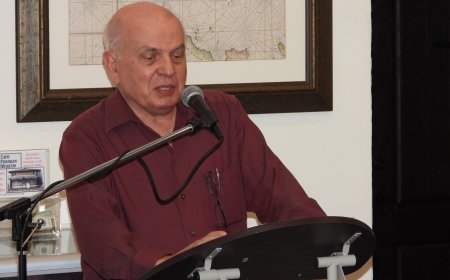
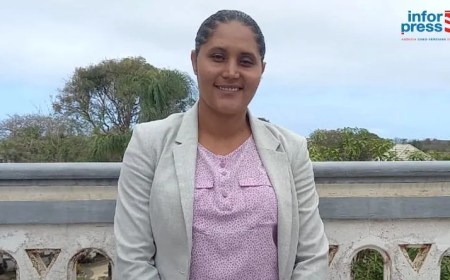
Biologist David Pascoal warned today of two structural problems in the water supply on Brava Island, related to the scarcity of the resource and its quality, considering the situation "worrying" for the population.
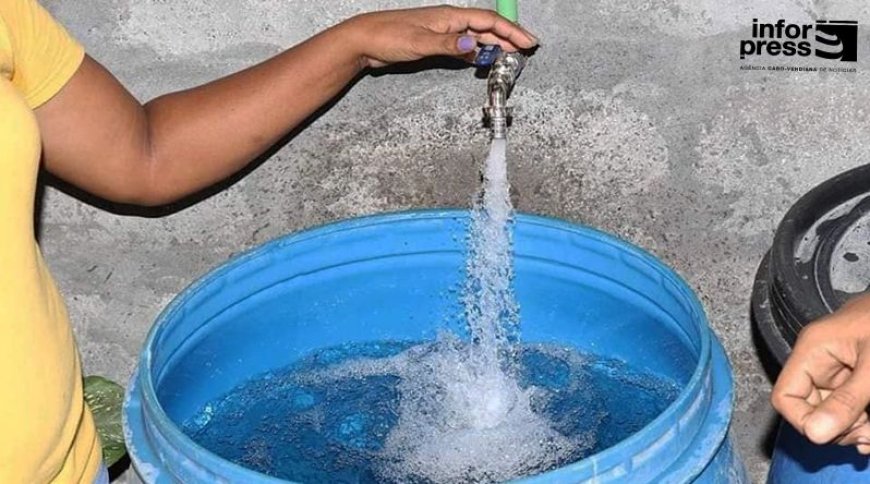
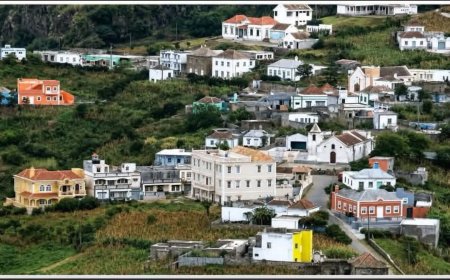
In statements to Inforpress, the expert stated that Brava is currently the island with the least access to piped water on a daily basis, emphasizing that in several locations, the supply only occurs once a week.
As he explained, this reality results from the reduction of springs, the irregularity of rainfall, and the dependence on natural sources, coupled with a deficient distribution system.
"Rain is falling less and less, and the population of Brava Island has access to a quantity of water far below the minimum stipulated by the World Health Organization (WHO), which recommends about 50 liters per person per day," he stated.
Regarding water quality, David Pascoal pointed to excess fluoride as a long-standing problem on the island.
As indicated, a study by the Catholic University of Portugal revealed concentrations between 4.5 and 6.2 milligrams per liter, while public health guidelines in Cape Verde set a maximum of 1.5 milligrams per liter.
"This means that the population is consuming water with a concentration more than three times the recommended value," he warned.
The biologist acknowledged, however, the efforts of the authorities to mitigate the problem, even though the results are, in his assessment, slow.
“We cannot say that the authorities are doing nothing, because there are efforts to resolve this situation that has dragged on for decades. However, given how long the problem has persisted and the results achieved so far, we can say that the process is moving slowly,” he said.
On the other hand, he argued that the solution should not only involve the installation of a desalination plant, but also improvements to the distribution network, infrastructure maintenance, and community involvement.
"The population needs to know how to use water, save it, and reuse it. All of this can contribute to better management of this precious resource on the island," he emphasized.
The expert also called for continued investment and integrated strategies, combining desalination, system rehabilitation, and raising awareness about the rational use of water.